
The Bohemian district doesn’t perform for you. That’s the first thing that hits. Faded balconies, murals that look unfinished on purpose, wine bars that feel like someone dragged their couch onto the sidewalk and called it a concept. It’s not polished Old Town with its multilingual menus and eager hosts. It’s looser. A little scruffy. Honestly, better for food.
When we booked this street food tour, I expected the standard loop — predictable stops, oversized plates, a guide reciting “traditional cuisine” like a script. Instead, it felt grounded in the neighborhood. Less choreography. More texture.
This isn’t a restaurant crawl with reservations and printed menus. It’s a walking route threaded through bakeries, standing counters, market stalls, and one or two doors you probably wouldn’t push open alone unless someone nudged you and said, trust me.
Quick Snapshot
- Duration: Around 3 hours
- Walking Level: Moderate — wear decent shoes
- Group Size: Small to mid-sized
- Food Quantity: Generous, paced well
- Wine Included: Usually one focused tasting
- Best For: First-time visitors, curious eaters
- Less Ideal For: Fine-dining purists, zero-walking travelers
First Impressions: Why This Area Works
Old Town has charm. It also has menus translated into five languages and hosts who wave you in before you’ve even glanced at the specials.
Here, it’s different.
You pass independent galleries, chalkboard wine lists written in uneven handwriting, bakeries that don’t care if the window display photographs well. The tour leans into that energy. It dips into side streets and courtyards that feel half-private, half-accidental.
The opening is relaxed. Warm bread. A short introduction. A small group forming that slightly awkward travel-bubble dynamic — strangers making eye contact, smiling politely.
Then the food starts landing.
How the Tour Flows (Without Giving Everything Away)
It begins light. A bakery stop. Khachapuri still warm, cheese pulling but not theatrically so. No dramatic cheese stretch for the camera. Just good bread.
Next, a khinkali counter at street level. You’re shown how to hold the knot, bite, sip the broth first. Someone ignores the instructions and broth runs down their wrist. There’s laughter. It breaks the ice.
Midway through, the pace shifts. Maybe a market stop. Maybe a short ingredient deep-dive — walnuts, blue fenugreek, fresh herbs tied with string. The explanation isn’t long. Just enough to reframe what you’ve tasted so far.
Later, you sit. That matters. Dishes with more depth appear: pkhali in muted greens and reds, beans thick and earthy, something seasonal that didn’t need translation. If wine is included, this is where it shows up. One glass. Sometimes a second small pour. Enough to understand structure and acidity, not enough to wobble.
The route feels layered. Not frantic.
That’s rare.
What Surprised Us Most
It didn’t feel staged.
Some food tours can feel mechanical — timed down to the minute, stops optimized for throughput. This one flexed. The guide adjusted pace based on how curious the group was. Questions weren’t brushed aside. Portions were controlled so nobody hit that heavy, regretful wall halfway through.
And the district itself does part of the work. There are rough edges. Real locals walking past. Actual foot traffic that isn’t just overlapping tour groups chasing the same five dishes.
It changes the tone. Subtle, but you feel it.
What the Experience Really Feels Like
About fifteen minutes in, the awkward energy dissolves.
At the first stop, everyone’s still in polite mode. Small bites. Careful smiles. Light conversation about where you’re from. By the second stop — usually khinkali — something shifts. You’re standing around a metal counter, steam fogging the window, trying not to spill broth down your sleeve, and suddenly the group doesn’t feel like strangers anymore. It feels like you’re all in on the same small mission.
The pacing is intentional. No long speeches. No awkward twenty-minute delay while someone negotiates a gluten-free debate. The guide nudges things forward without making it feel rushed. That balance is harder than it sounds. Too slow and people drift. Too fast and you feel processed.
Most stops hover around 15–25 minutes. Enough to eat properly, ask something if you’re curious, snap a photo if that’s your thing, and move before your stomach starts waving a white flag.
And yes. Wear real shoes. Not stylish ones you regret after an hour.
What You Actually Eat
Let’s talk specifics.
Khachapuri (The Warm-Up)
Usually Imeretian style. Round. Cheese folded inside soft bread. Not oversized, not drowning in butter. Just balanced.
This isn’t about spectacle. It’s baseline. Fresh dough, proper sulguni or Imeretian cheese, slight tang. It sets the rhythm without overwhelming you.
Khinkali (The Technique Moment)
This is where things get interactive.
The guide demonstrates: hold the top knot, bite the side, sip the broth first. If you slice them open with a knife, you’ll get corrected — gently, usually with a laugh. That’s part of the charm.
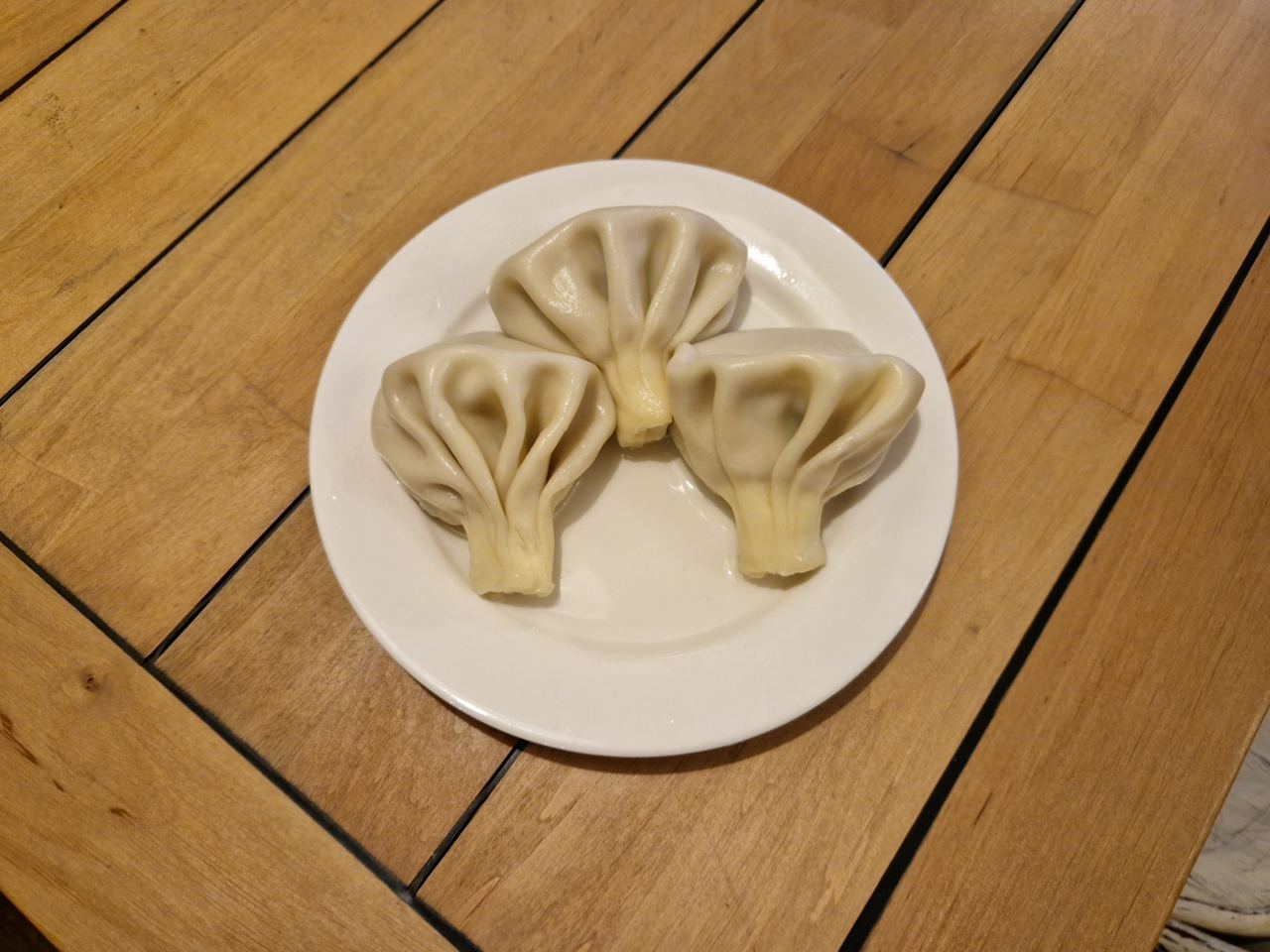
The filling should taste clean and seasoned. Broth rich, not watery. If it’s bland, that’s a bad sign. On this route, it held up. Juicy, peppery, satisfying.
Pkhali, Lobio & Seasonal Plates
This is where depth creeps in quietly.
Spinach folded into walnut paste. Beans cooked down until almost creamy. Herbs sharp enough to reset your palate. These dishes aren’t flashy, and that’s the point. They’re the backbone of everyday Georgian food culture — home cooking energy, not Instagram bait.
Portions are small on purpose. Layered eating works better than overload.
Churchkhela or Local Sweet
Dessert doesn’t scream. It explains.
You’ll hear about grape must reduction, how churchkhela texture changes depending on freshness, why some versions feel softer than others. It’s less about sugar and more about context. Honestly, I liked that restraint.
Wine (If Included)
Usually one focused tasting. Sometimes two modest pours.
You’ll get fermentation basics. Clay vessels buried underground. Skin contact. Native grapes. It’s educational without turning into a sommelier exam. The wine supports the food instead of stealing the spotlight.
Guide Performance & Group Dynamics
This is where tours either soar or fall flat.
In our case, the guide managed a strong middle ground. Enough historical context to make dishes meaningful, not so much that it felt like a museum lecture. Stories woven in between bites. Movement kept steady.
Group size changes everything. Under ten people feels fluid. Once you creep past 12, stops can feel crowded, especially inside smaller bakeries. If intimacy matters, check the max group number before you book. It’s a small detail that makes a big difference.
The atmosphere stayed relaxed. Questions were welcomed. Dietary adjustments handled quietly. Nobody was rushed mid-bite, which I appreciated more than I expected.
Pros & Cons
What Works Very Well
- Authentic neighborhood locations, not tourist corridors
- Balanced pacing that avoids food fatigue
- Strong foundation for first-time visitors to Georgian cuisine
- Interactive elements at key food stops
- Smart portion control
Where Expectations Could Misalign
- Not a fine-dining experience with plated courses
- Weather impacts comfort — it’s a walking format
- Group energy can vary
- Wine focus is moderate, not deep-dive territory
Who This Tour Is Best For
It works extremely well if:
- You’re new to Georgian food and want orientation.
- You prefer structure without stiffness.
- You enjoy walking between bites instead of sitting for hours.
- You want neighborhood energy over polished dining rooms.
Less ideal if:
- You’re chasing white tablecloth tasting menus.
- You dislike walking.
- You only book private experiences.
Alignment matters more than hype. When the format fits your personality, the whole thing clicks.
Is It Worth the Money?
Let’s take the sentiment out of it for a minute.
If you tried to rebuild this exact tasting route on your own, you’d be paying at five separate spots. You’d probably overdo it at the first bakery because everything smells insane, then hold back at the second place because you’re suddenly unsure how much more is coming. And there’s almost always one strong kitchen you’d walk past simply because it doesn’t scream for attention from the sidewalk.
The tour bundles selection, pacing, and cultural context into one tight window.
On paper, the price difference between self-guided grazing and a structured food tour isn’t massive. In practice, it feels different. You’re buying compression. Three hours instead of three days of trial, error, and mild regret. You skip the awkward “did we order wrong?” phase.
If this is your first time in Tbilisi, that compression hits hard. It gives you a baseline. You suddenly understand portion sizes, spice levels, how heavy walnut-based dishes can be when stacked.
If you already know Georgian cuisine well, the value shifts. It becomes less about discovery and more about access — kitchens you wouldn’t find, stories behind qvevri wine, tiny details about fermentation or regional cheese. Not essential. Still interesting.
Better on Your First Day or Last?
First day. No contest.
You get calibrated immediately. Portion sizes make sense. You stop over-ordering khachapuri later in the week because you finally grasp how filling it is. You get your bearings in the neighborhood — Old Town, side streets, hidden courtyards — and you walk away with a mental shortlist of places worth returning to alone.
Leave it for your final day and the tone changes. It becomes reflective. You’re comparing what you’ve already eaten. It can still be good. Just different.
Afternoons usually land in the sweet spot. Not rushed. Not heavy right before dinner. Morning tours lean lighter, more ingredient-focused, sometimes more market-driven. Evening slots drift toward wine and slower conversation. A little warmer. A little louder.
Pick based on appetite and energy. Not just whatever slot is open.
Who Should Probably Skip It
Not everyone needs a guided street food experience.
If your travel style revolves around white tablecloths, formal tasting menus, and carefully paired vintages served in hushed rooms, this won’t scratch that itch. This is walking, talking, sharing plates, sometimes standing.
If a few kilometers on cobblestones feels like a chore, think twice. It’s not extreme. It’s steady. And those stones are uneven — your calves will notice.
If group settings drain you, even relaxed ones, you might prefer a private food tour instead. Smaller circle. More control over pace.
Skipping it doesn’t mean you’ll eat badly. Georgia is generous. It just means you’ll discover things slower, maybe messier. Some people like that chaos.
Frequently Asked Questions
Clear answers before you decide.
How hungry should I arrive?
Comfortably hungry. Don’t walk in full from a giant breakfast, but don’t starve yourself either. The tasting builds gradually, and it lands better when you’re alert instead of desperate.
Is wine always included?
Most versions include at least one focused tasting. It’s usually moderate, designed to support the food rather than turn into a wine crawl through the city.
Are vegetarian options available?
Yes. Georgian cuisine leans heavily on vegetables, herbs, beans, walnuts. Still, it helps to communicate restrictions early so the kitchens can plan properly.
What happens if it rains?
The tour runs. Several stops are indoors, but you’ll walk between them. Bring something practical if the forecast looks shaky. Tbilisi rain isn’t dramatic, just persistent.
Is it suitable for kids?
Older kids who enjoy trying unfamiliar dishes usually do well. Very young children may find the walking distance long and the pacing slow.
Final
This Bohemian district street food tour does what a solid walking experience should do — it removes guesswork without sterilizing the city.
It doesn’t feel staged. It doesn’t drown you in information. It gives enough wine context to make later tastings smarter. And it leaves you with confidence, which honestly matters more than a single plate of khinkali.
If it’s your first visit and you want to understand the local food scene fast, it’s a sharp move.
If you already know where to eat, which regions produce what, and how Georgian hospitality unfolds at the table, it becomes optional.
Either way, knowing what you’re signing up for shifts the experience. Expectations shape flavor more than people admit.