
Walk into a traditional marani in the eastern valleys and you’ll feel it immediately — this isn’t Napa, it isn’t Tuscany, it isn’t some polished tasting hall with chrome tanks and curated playlists. The floor is flat, earthen. Almost bare. You notice small round stone lids set into the ground like quiet markers.
Under those lids sits something older than most wine regions dare to claim. A method tied so tightly to local identity that UNESCO put it on the Intangible Cultural Heritage list. That’s not a tourism slogan. It’s cultural muscle.
The secret is the Qvevri. But calling it a “secret” feels dramatic. It’s right there under your feet. So what is a Qvevri, how does it actually function, and why does the wine that comes out glow like burnished copper and taste nothing like the chilled white you’re used to?
What is a Qvevri? (Definition)
A Qvevri (pronounced KWEV-ree) is a large, egg-shaped vessel made from local terracotta clay. No stainless steel. No oak staves. Just clay, shaped and fired, then buried. Unlike Greek amphorae or Roman transport jars, which were built to move wine around the Mediterranean, a Qvevri exists for one job: ferment, age, and store wine in the ground.
Sizes range wildly. Some are small enough to hug — around 20 liters. Others are massive, holding up to 10,000 liters of fermenting grape juice. The interior is coated with melted beeswax to seal the pores and keep things clean. The outside often gets a layer of lime mortar for reinforcement once it’s buried. It’s practical engineering, not decorative nostalgia.
I think that’s what people miss. This isn’t reenactment winemaking. It’s a living system that just never stopped.
How the Ancient Method Works
The entire Qvevri method leans into gravity, temperature, time. No flashy intervention. No lab-coated theatrics. Just controlled patience.
1. Burying the Vessel
Before harvest even begins, the Qvevri is already underground. Completely buried in the marani cellar floor, with only the opening visible at the surface. The soil becomes a natural climate regulator. Summers can scorch. Winters can bite. Down there, temperature stays stable — usually around 13–15°C (55–59°F). No electricity humming in the background. Just earth doing what earth does.
2. The “Chacha” (Skin Contact)
In standard European white winemaking, grapes are pressed and the juice is separated quickly from skins and seeds. Clean. Efficient. Predictable. The Qvevri method flips that logic. Crushed grapes — juice, skins, seeds, sometimes even stems — go straight into the vessel together. This mass is called chacha, or pomace.
No filtering. No immediate clarification. Everything stays in contact. That’s where the magic — or the shock, depending on your palate — begins.
3. Natural Fermentation
During active fermentation, the vessel stays open. You’ll hear it before you see it — a soft, alive bubbling. Wild yeasts do the work. When fermentation slows, the opening is sealed with a stone or wooden lid and packed with wet clay to keep oxygen out. Then it rests. Months, sometimes up to six.
The egg shape isn’t aesthetic. It matters. Heavy seeds and solids sink to the narrow bottom. The wine circulates above, moving naturally as fermentation heat rises and falls. It clarifies itself over time. No mechanical filtration. No chemical shortcuts. Gravity handles the heavy lifting.
Amber vs. Orange: What Does It Taste Like?
When white grapes like Rkatsiteli or Kisi sit on their skins and seeds for months, they extract pigments, phenols, tannins — elements usually associated with red wine production. The result is what locals call Amber Wine.
Yes, you’ll hear “orange wine” in London, New York, Berlin wine bars. Trendy menus love that term. Here, amber feels more honest. The color really does glow like warm resin when light hits the glass.
- Color: Pale gold, deep copper, sometimes almost dark tea. It shifts with grape variety and skin-contact time.
- Aroma: Dried apricot, toasted walnut, quince, honey, wild herbs. Sometimes a faint earthy tone that reminds you this came from clay, not steel.
- Palate: If you’re expecting something crisp and breezy like Pinot Grigio, brace yourself. Amber wine is structured, tannic, textured. It grips. It lingers. The mouthfeel can feel closer to a light red than a typical white, which makes it ideal alongside roasted meats, aged cheeses, walnut sauces, spiced stews — the heavy hitters of Georgian cuisine.
The first sip can surprise people. Maybe even unsettle them. Then the second sip starts to make sense. By the third… you get it.
An 8,000-Year-Old Unbroken Tradition
Qvevri fermentation isn’t some trendy revival cooked up for export markets. It’s older than most of the civilizations people name-drop in history class. Archaeologists dug up clay fragments in the Caucasus with fossilized grape seeds and traces of tartaric acid dating back to 6,000 BCE. That’s not romantic storytelling. That’s lab analysis.
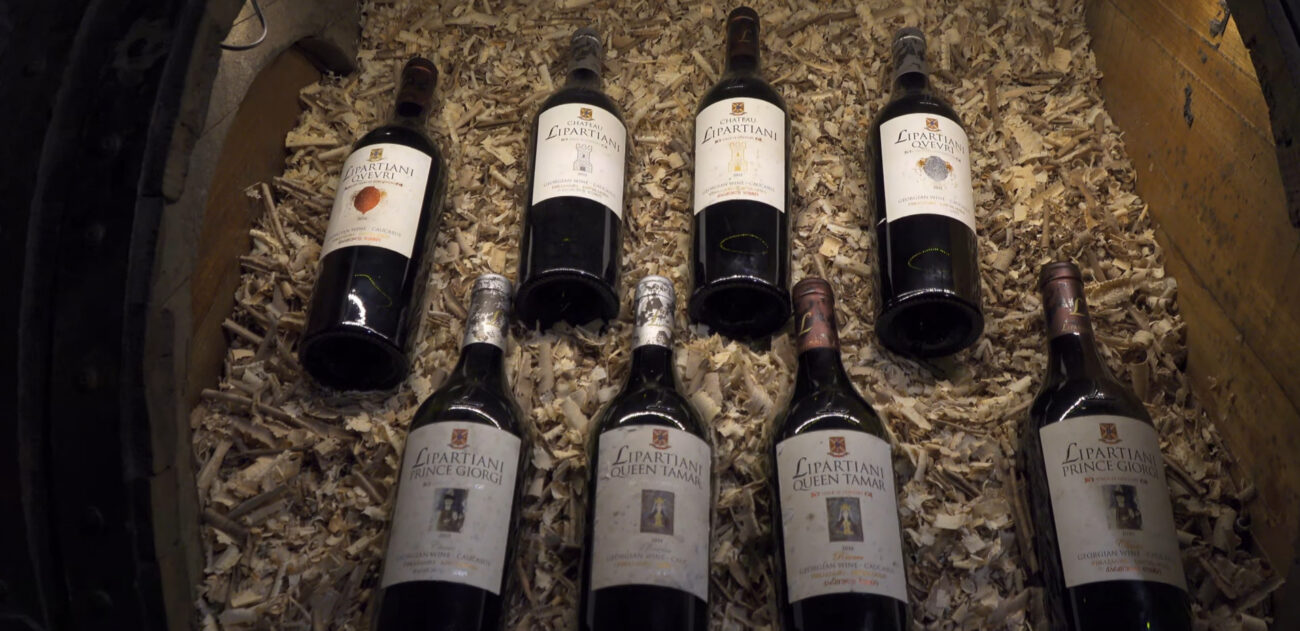
Think about that for a second. Long before classical Athens, before Rome started stamping its authority across Europe, people here were already growing vines and fermenting juice underground. And they didn’t abandon the system when oak barrels became fashionable. The vessels are still egg-shaped, still buried, still sealed into the earth so the soil regulates temperature on its own. Wild yeasts do their thing. Skins and stems stay in contact. Zero waste, or close to it. I find that stubborn continuity kind of beautiful.
The clay smells faintly mineral when you stand in a marani. Cool air, damp floor, a quiet hum you can’t really explain. Eight thousand years is a long time to keep doing something the same way… and not because you’re nostalgic, but because it works.
Frequently Asked Questions
Common questions about amber wine, clay fermentation, and what actually happens underground.
What is the difference between Amphora and Qvevri?
They’re both clay vessels, sure, but they serve different purposes. Amphorae—think ancient Greek and Roman trade routes—usually have handles and pointed or flat bases. They were built for transport: wine, oil, grain sloshing around ships and markets. A Qvevri has no handles, no portability ambitions. It’s egg-shaped and designed to live underground permanently. You ferment and age wine in it. You don’t carry it anywhere. It’s a cellar tool, not a cargo container.
Do they make red wine in a Qvevri?
Yes. All the time. Saperavi, the local dark-skinned grape with red flesh, is often fermented in clay. Red wine already spends time on skins in most European methods, so the visual shock isn’t as dramatic as the white-to-amber transformation. But clay changes texture. There’s a grounded, earthy structure to a Qvevri-aged red that feels less polished, more alive. I prefer that edge. It tastes less engineered.
How do you clean a giant clay pot buried underground?
With effort. After the wine is drawn off, someone—usually a younger, agile family member—climbs down inside the emptied vessel. They scrub the terracotta walls by hand using a brush made from the roots of St. John’s wort. Sometimes a mix of lime and ash is used to sanitize the surface before the next harvest. It’s physical work. Tight space, cool clay under your palms. No automated system humming in the background. Just tradition and sore shoulders.