
If you’ve been scrolling through day trips from Tbilisi to Kakheti, you’ve seen it. The “Signagi and Bodbe Tour.” It’s everywhere. Top of the list. Thousands of reviews. A price tag that feels almost suspiciously low—sometimes less than what you’d drop on a decent dinner and a bottle of Saperavi in the capital.
And when a 7–10 hour ride into the core of Georgian wine country costs that little, you start squinting at it. Is this a legit cultural deep dive into qvevri wine and monastery views over the Alazani Valley… or a conveyor belt of tourists shuttled between photo stops?
We went through the details properly—reviews, itinerary flow, winery type, tasting format, group size, timing. This breakdown covers what the day actually feels like, how the amber wine stacks up, how rushed (or not) the schedule is, and whether it makes sense to book this budget Kakheti wine tour or spend more on a private guide.
The Short Answer: Is It Worth It?
Yes. For the right person.
You just need your expectations in the right place. This isn’t a slow afternoon in a tiny family marani where the winemaker pulls up a chair and talks fermentation philosophy for two hours. It’s a structured, high-efficiency group tour built to show you the headline acts of the Alazani Valley in a single sweep.
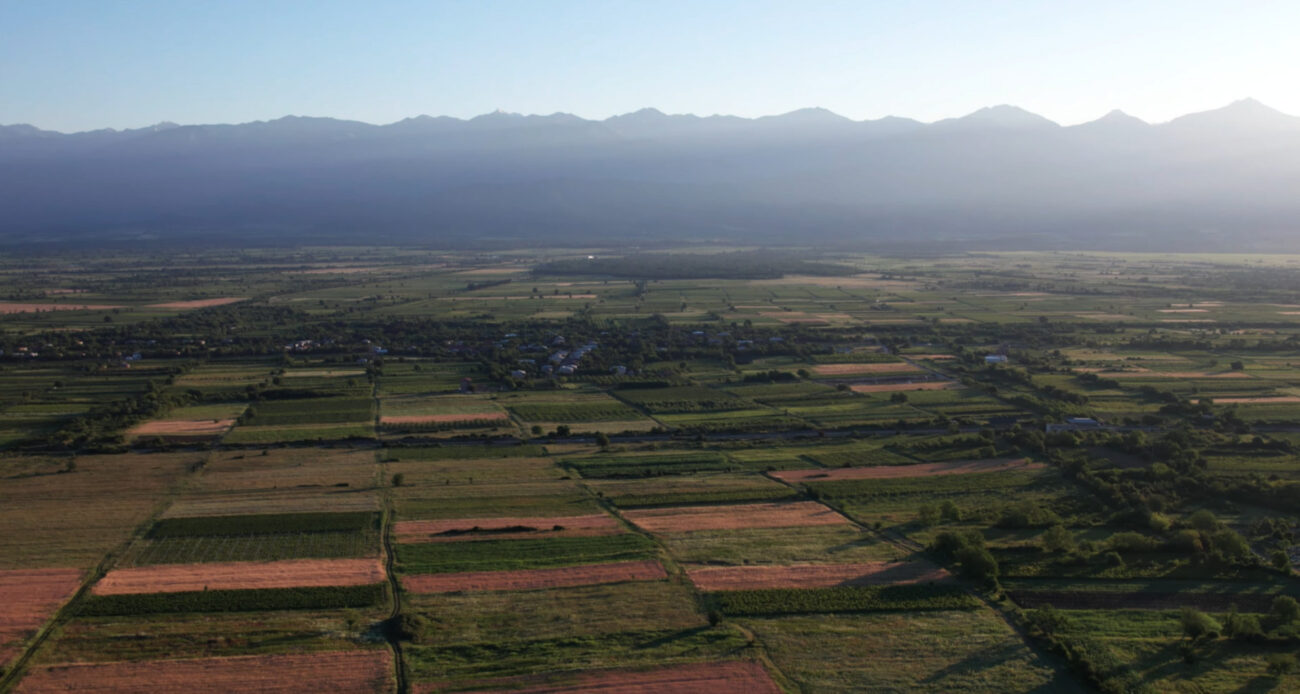
If you’re traveling on a budget, solo, or it’s your first time in Georgia and you want a smooth introduction to qvevri winemaking, Sighnaghi’s hilltop views, and a few solid tastings without worrying about mountain roads or transport logistics—honestly, the value is hard to argue with. Transport, guide, wine sampling, monastery stop, and still back in Tbilisi by evening. Clean. Simple.
If what you want is quiet cellar time, extended technical discussion about skin-contact maceration, or access to tiny boutique producers hidden down farm tracks… this isn’t built for that. It’s built for accessibility and volume. And it does that well.
What We Loved
- ✔️ Unbeatable Price: Often under €20 for round-trip transport, guided stops, and wine tastings in Kakheti.
- ✔️ No Driving Stress: You can enjoy Saperavi, amber wine, and even a shot of chacha without calculating the Gombori Pass on the way back.
- ✔️ Balanced Timing: Enough free time in Sighnaghi to wander the cobblestone streets, grab a coffee, or stare out over the Alazani Valley without feeling herded.
Things to Consider
- ❌ Group Size: Expect a shared minibus, sometimes 15–20 travelers, especially in peak travel season.
- ❌ Commercial Wineries: The focus leans toward larger, visitor-friendly estates rather than tiny backyard maranis.
- ❌ Early Departure: You’ll need to be at the meeting point in Tbilisi fairly early to stay ahead of traffic and keep the schedule tight.
I think the key is this: the tour delivers what it promises. Scenic Kakheti landscapes, accessible Georgian wine tastings, monastery views, and a structured day out of the city. It doesn’t pretend to be a private sommelier-led immersion. It’s a sharp, budget-friendly introduction to eastern Georgia’s wine culture.
And sometimes that’s exactly what you need.
The Itinerary: What to Expect Hour by Hour
A standard shared tour to Kakheti starts early. Around 9:00 AM you’re standing in central Tbilisi with a paper coffee cup, scanning faces, trying to guess who else signed up for a full day of wine. The vehicle is usually a Mercedes Sprinter minibus. Not glamorous. Functional. You climb in, shuffle seats, and by the time you’ve crossed the river, the city noise fades.
Morning: The Gombori Pass & Shoti Bread
The road over the Gombori Pass twists fast. Tight curves, pine trees, that sudden drop in temperature when you gain altitude. If your guide is good, they’ll start talking before your stomach notices the switchbacks. Eight thousand years of winemaking, clay vessels buried in the earth, grape varieties that never left this valley. It’s half history lesson, half distraction technique.
The first stop is usually in Badiauri at a roadside bakery that looks ordinary until you step closer. A baker grabs long strips of dough and slaps them against the burning wall of a Tone oven with this quick, confident motion. It sticks. A few minutes later it peels off blistered and golden. You tear into Shoti bread while it’s still too hot to hold, pair it with salty sheep’s cheese, and suddenly you’re wide awake. Flour on your fingers. Smoke in the air.
Midday: Bodbe Monastery
Before the wine hits, there’s Bodbe Monastery. It sits among tall cypress trees, quiet and sharp against the sky, overlooking the Alazani Valley. You get around 45 minutes here. Enough time to wander the gardens, look out across the vineyards stretching flat toward the mountains, and visit the grave of St. Nino, who brought Christianity to the region in the 4th century.
The air smells faintly of resin and cut grass. Bells sometimes echo across the courtyard. It’s a pause before the tasting marathon begins.
Afternoon: Sighnaghi, The City of Love
A short drive later, you’re in Sighnaghi. Cobblestone streets. Pastel houses. Defensive walls snaking along the hilltop like something out of a period film. It’s romantic, yes, but it’s also practical — most tours give you about 1.5 to 2 hours of free time.
This part matters: lunch is usually not included in the base price. You pick your spot. Maybe a bowl of khinkali with black pepper stinging your nose, maybe khachapuri oozing cheese onto the plate. The guide might suggest a place that won’t overcharge you. Or you wander off, climb part of the old wall, pop into the local museum. No one chases you. It’s your window.
The Main Event: The Wine Tastings
After lunch, it gets serious. Two or three wineries, depending on the operator. The contrast is deliberate.
- The Industrial Scale: A larger, modern facility — think KTW or a similar producer — where stainless steel tanks line up in clean rows and bottling lines hum. You see how Georgian wine moves into global markets. It’s efficient. Controlled.
- The Ancient Method: Then a family-run Marani. Clay Qvevri buried in the floor, lids sealed with wax. You taste amber wine fermented with skins and stems, tannic and textured, straight from the vessel. No filtration, no gloss.
- The Chacha Challenge: The finale is usually Chacha, the local pomace brandy. Clear, sharp, around 50–60% ABV. Someone will warn you. You’ll nod confidently. It burns anyway.
By late afternoon the bus feels louder. People comparing favorites, debating Saperavi versus Rkatsiteli, laughing a little too easily. The drive back to Tbilisi is quieter at first. Then someone starts telling a story about their grandmother’s homemade liquor, and it all ramps up again.
Is the Quality of the Wine Good?
This is the question everyone asks the second they see the price. Twelve to thirty-something euros for a full Kakheti day trip with tastings? Suspiciously cheap. So let’s just say it straight.
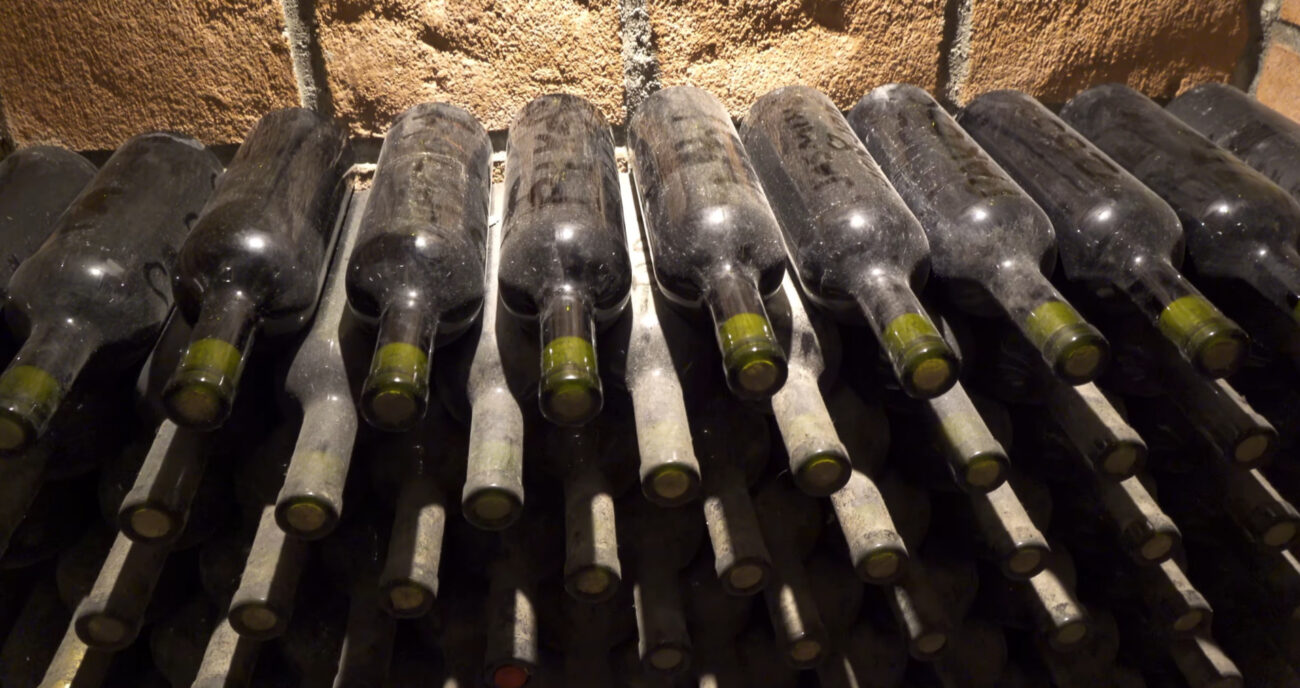
Are you getting ultra-rare, limited-run, ten-year-aged Saperavi pulled from a dusty boutique cellar? No.
The math doesn’t work. At €12–€35 a ticket, you’re not drinking collector-level reserves. What you are getting is solid, honest Georgian wine that reflects everyday drinking culture in the Alazani Valley. And honestly, that’s kind of the point. You’ll taste a clean European-style Rkatsiteli fermented in stainless steel, bright and sharp. Then you’ll switch to an amber qvevri wine — skin contact, grip, texture, earth. The contrast hits hard. It’s educational without feeling like homework.
Think of it as Wine 101 for Kakheti. A crash course in an 8,000-year-old winemaking tradition, clay fermentation vessels buried underground, native grape varieties, and how Georgian wine evolved outside the usual French-Italian-Spanish orbit. It’s not a sommelier exam. It’s foundation-building. And for most travelers, that’s more than enough.
Frequently Asked Questions About This Tour
The practical stuff people ask right before committing.
What is not included in the ticket price?
Transport, guide, wine tastings, and usually Chacha samples are covered. Lunch is not. During your free time in Sighnaghi, you’ll pay for your own meal — bring some GEL in cash. Tipping the guide and driver isn’t built into the cost either. Not mandatory, but appreciated. Standard travel etiquette.
How big are the tour groups?
These are shared group tours, usually run in Mercedes Sprinter minibuses. Expect around 15 to 20 people. Sometimes a few more, sometimes a few less. It’s social. If that makes you twitchy, book private. Easy fix.
Is there a lot of walking involved?
Moderate. The main workout happens in Sighnaghi. The town climbs a hill, and those old cobblestones are uneven and unapologetic. Wear flat, comfortable shoes. Not fashion sneakers. Real shoes. Your ankles will thank you.
Can I buy bottles of wine during the tour?
Yes. Every winery has a shop, and prices in the Alazani Valley are often lower than what you’ll see back in Tbilisi. If you fall in love with a Saperavi or an amber Rkatsiteli, this is the time to grab it.
The Verdict
The Signagi and Bodbe day trip owns the budget category in the Caucasus. It’s efficient, organized, and built to deliver maximum exposure to Georgian history, Orthodox monasteries, panoramic valley views, and that ancient 8,000-year winemaking culture without draining your wallet.
If you’re a hardcore wine purist who wants to debate soil composition and fermentation curves with a boutique producer for three straight hours, skip this and book private. No shame in that. But if you want a social, affordable day out exploring the so-called “City of Love,” walking medieval walls, and tasting amber wine straight from clay vessels — this tour punches way above its weight.
Traveler’s Note: Because of the low price, this itinerary sells out fast during harvest season and summer weekends. If you’re eyeing specific dates, book online in advance. Waiting until the last minute can backfire.